
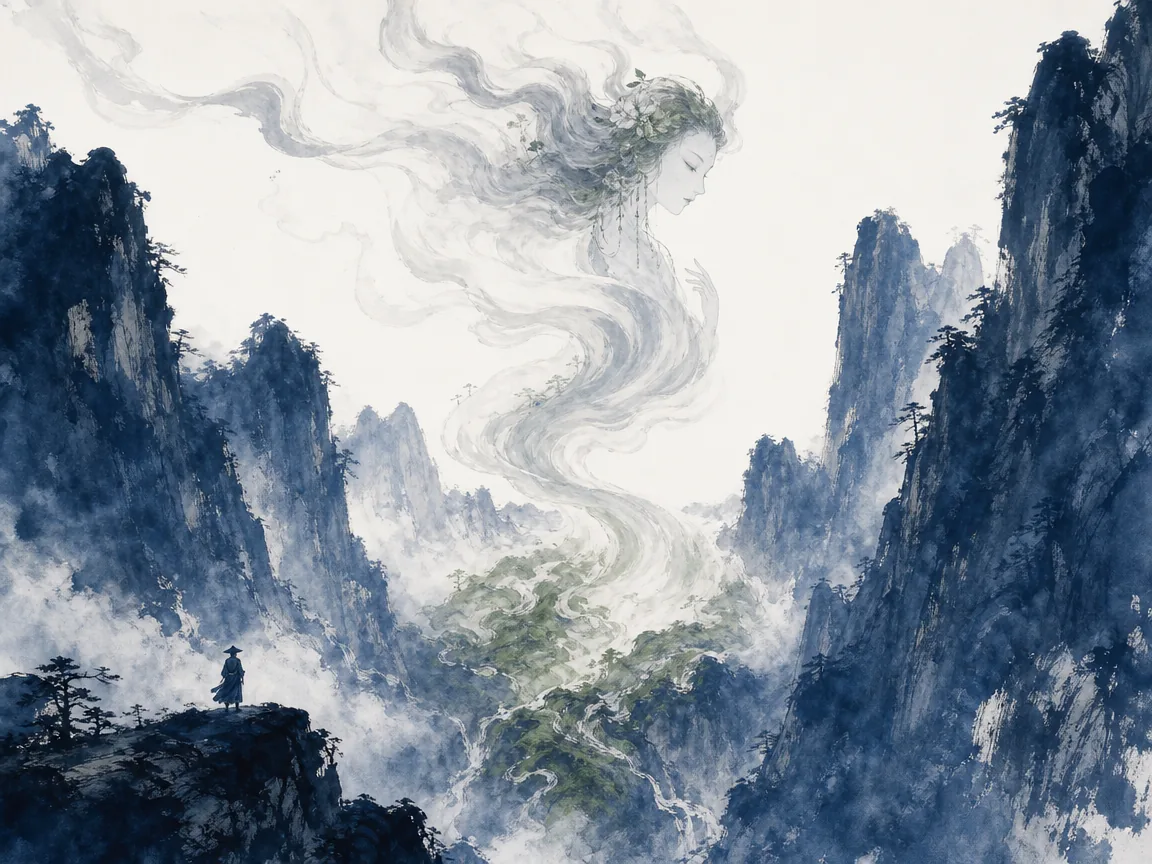
成象章第六
Key Takeaway: "The Valley Spirit never dies. It is named the Mysterious Feminine." — Laozi, Daodejing Chapter 6
The Valley Spirit never dies; it is the mysterious feminine womb of all creation. Its subtle presence continues unbroken through the ages, giving life to all things without exertion or fatigue—a foundational perspective explored in Daodejing Chapter 6 Translation.
Daodejing Chapter 6 Translation: Endless Generativity Without Depletion
The wisdom of Daodejing Chapter 6 Translation addresses a fundamental human dynamic: how we navigate ambition, quietude, and the natural flow of existence. In the classical tradition, this passage serves as both a metaphysical mirror and a practical compass for daily living and leadership. Explore how this principle translates into contemporary daily life in our guide to Why the Fiercest Fire Burns Out Fastest: Laozi’s Secret to Lasting Vitality.
By shifting our focus from outer coercion to internal stillness, we uncover a more resilient way of relating to ourselves and the world around us.
Complete Chapter Translation: Modern Western Reading
The Valley Spirit never dies. It is named the Mysterious Female. And the doorway of the Mysterious Female Is the base from which Heaven and Earth sprang.
It is there within us all the while; Draw upon it as you will, it never runs dry.
道德经中文原文与对照
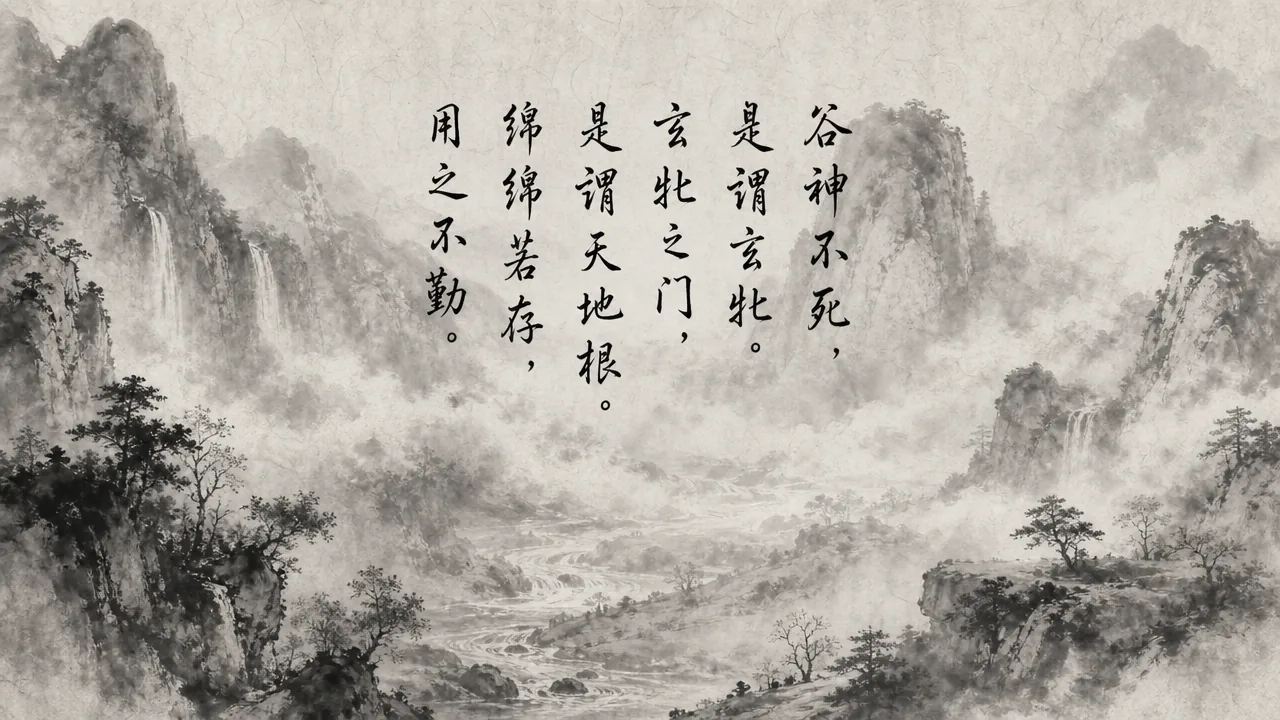
【原文】 谷神不死,是謂玄牝。玄牝之門,是謂天地根。綿綿若存,用之不勤。
核心要义解析 (Philosophical Insights)
- 道义发微:本章通过“成象章第六”阐发了《道德经》的核心精髓。从“有”与“无”、“动”与“静”的辩证转化中,提醒我们在日用常行中摒弃过度的功利执念,回归纯粹本真的生命状态。
- 现代启示:当外界喧嚣与评判标准不断施加压力时,保持内心的虚静与不争,反而是最强大的定力与智慧。
Follow the sequential development of the text in Laozi’s next philosophical movement in Sheathing the Light: Selfless Endurance and the Enduring Universe.
For a deeper comparative examination of these ideas, explore our related study on Returning to Simplicity: Knowing the Male While Cleaving to the Female.







[…] What a rooted life looks like is harder to describe because it does not perform visibly. It is steadiness beneath turbulence. It is the ability to receive before responding. It is knowing, as the text implies, when to act and when to stop — what later tradition would call knowing when to stop (zhī zhǐ, 知止), knowing the edge beyond which action becomes self-harm. The pivot from rootlessness to rootedness is not about adding more strategies. It is about asking what you are standing on. For the word-for-word source text and commentary, consult the complete classical translation and commentary of The Formation of Form: The Valley Spirit and the Primal Mother. […]