
聖德章第三十二
Key Takeaway: "The Tao is forever nameless. Though small in its uncarved state, nothing in the world can master it." — Laozi, Daodejing Chapter 32
The Tao is eternal and nameless, appearing tiny as an uncarved block, yet no one under heaven can subjugate it. Once names and distinctions are carved out, one must know where to call a halt—a foundational perspective explored in Daodejing Chapter 32 Translation.
Daodejing Chapter 32 Translation: Rivers Flowing to the Great Ocean
The wisdom of Daodejing Chapter 32 Translation addresses a fundamental human dynamic: how we navigate ambition, quietude, and the natural flow of existence. In the classical tradition, this passage serves as both a metaphysical mirror and a practical compass for daily living and leadership. Explore how this principle translates into contemporary daily life in our guide to Why Your Labels Are Labeling You: Laozi’s Warning for the Measured Life.
By shifting our focus from outer coercion to internal stillness, we uncover a more resilient way of relating to ourselves and the world around us.
Complete Chapter Translation: Modern Western Reading
Tao is eternal, but has no fame (name); The Uncarved Block, though seemingly of small account, Is greater than anything that is under heaven.
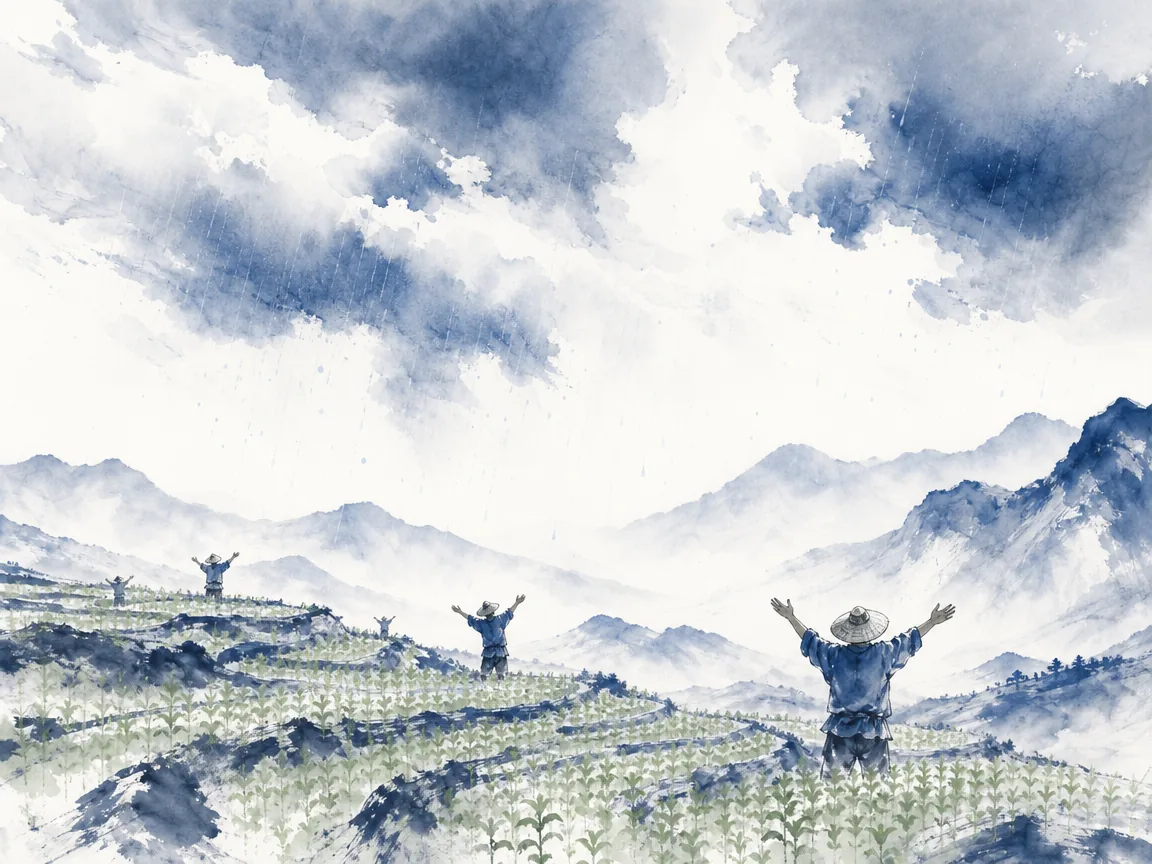
If kings and barons would but possess themselves of it, The ten thousand creatures would flock to do them homage; Heaven-and-earth would conspire To send Sweet Dew, Without law or compulsion, men would dwell in harmony.
Once the block is carved, there will be names, And so soon as there are names, Know that it is time to stop. Only by knowing when it is time to stop can danger be avoided.
To Tao all under heaven will come As streams and torrents flow into a great river or sea.
道德经中文原文与对照
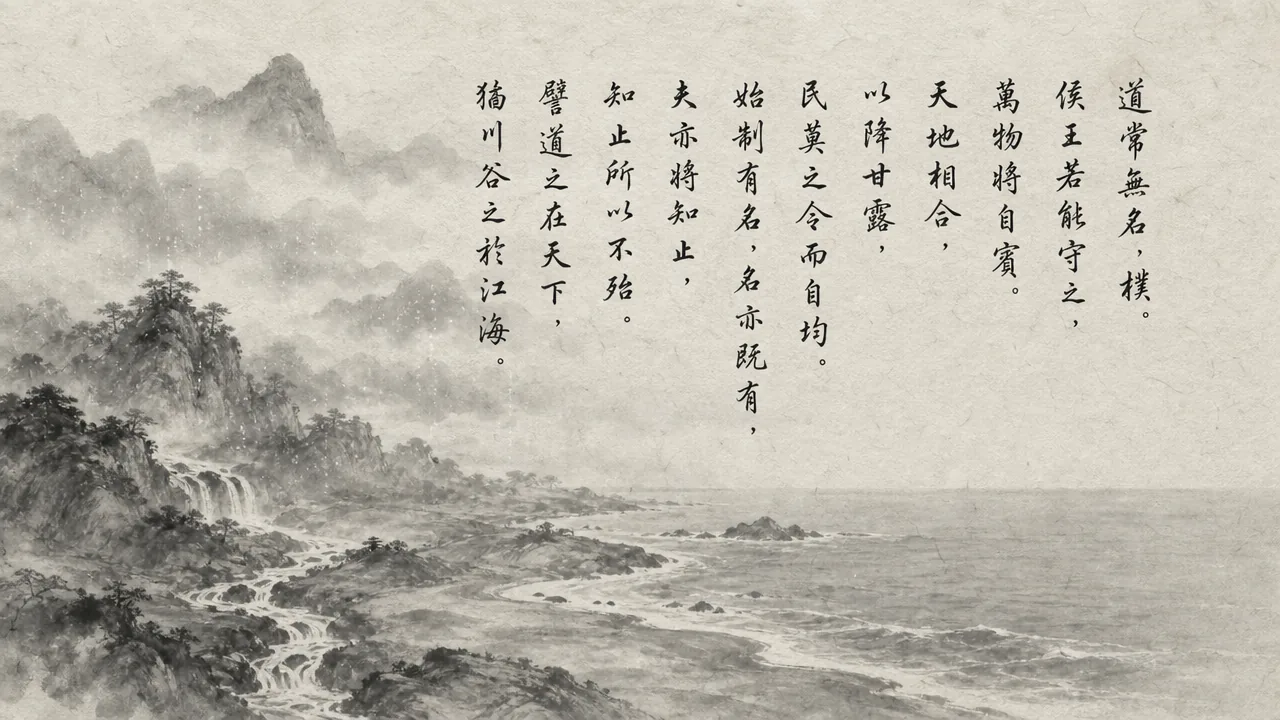
【原文】 道常無名、樸。雖小,天下莫能臣。侯王若能守之,萬物將自賓。天地相合,以降甘露,民莫之令而自均。始制有名,名亦既有,夫亦將知止,知止所以不殆。譬道之在天下,猶川谷之於江海。
核心要义解析 (Philosophical Insights)
- 道义发微:本章通过“聖德章第三十二”阐发了《道德经》的核心精髓。从“有”与“无”、“动”与“静”的辩证转化中,提醒我们在日用常行中摒弃过度的功利执念,回归纯粹本真的生命状态。
- 现代启示:当外界喧嚣与评判标准不断施加压力时,保持内心的虚静与不争,反而是最强大的定力与智慧。
Follow the sequential development of the text in Laozi’s next philosophical movement in Discerning True Virtue: Knowing Others Is Wisdom; Knowing Oneself Is Enlightenment.
For a deeper comparative examination of these ideas, explore our related study on Geng-sang Chu: The Unlocked Mind and Escaping the Net of Prestige.






