
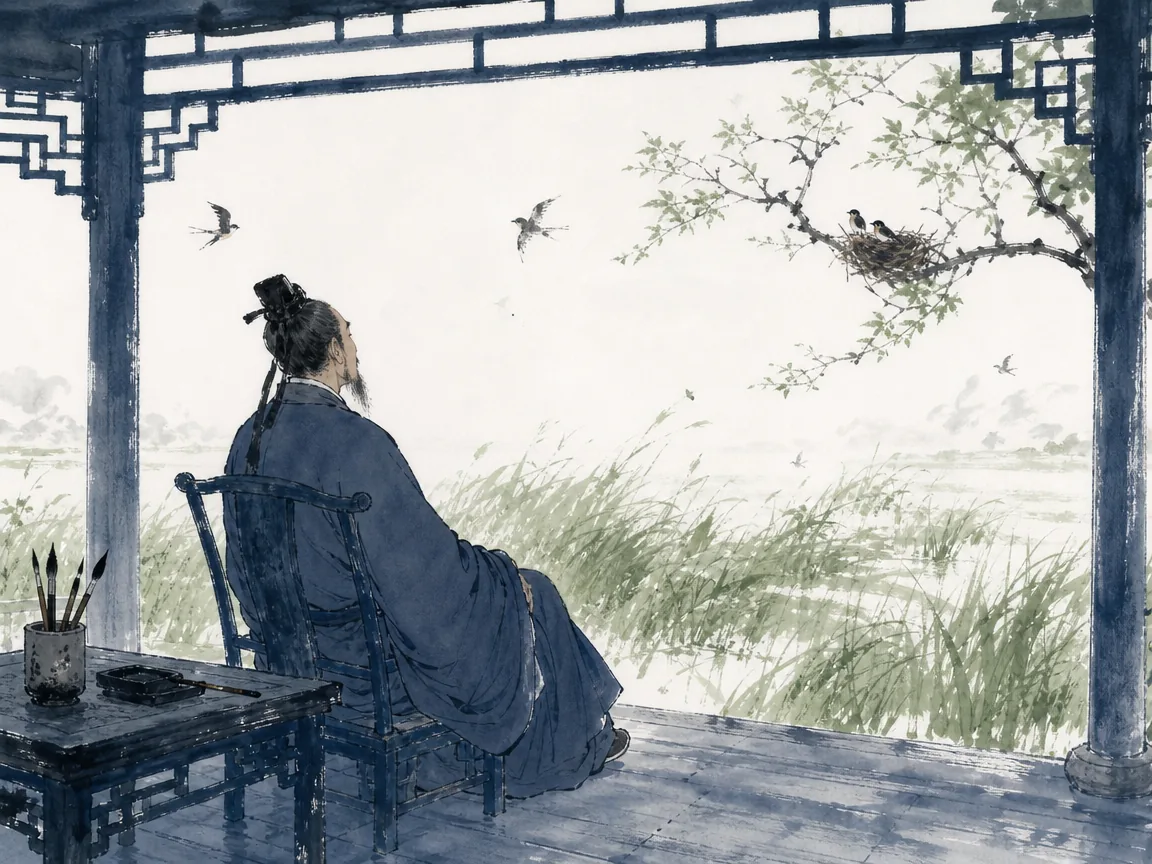
爲政章第三十七
Key Takeaway: "The Tao never acts, yet nothing is left undone." — Laozi, Daodejing Chapter 37
The Tao constantly does nothing, yet nothing is left unfinished. If rulers can hold fast to this principle, all creatures will transform themselves spontaneously. Restrained by the nameless block, peace settles—a foundational perspective explored in Daodejing Chapter 37 Translation.
Daodejing Chapter 37 Translation: When Desires Settle into the Uncarved Block, the World Stills Itself
The wisdom of Daodejing Chapter 37 Translation addresses a fundamental human dynamic: how we navigate ambition, quietude, and the natural flow of existence. In the classical tradition, this passage serves as both a metaphysical mirror and a practical compass for daily living and leadership. Explore how this principle translates into contemporary daily life in our guide to Why You Keep Fixing What Only Needs Space.
By shifting our focus from outer coercion to internal stillness, we uncover a more resilient way of relating to ourselves and the world around us.
Complete Chapter Translation: Modern Western Reading
Tao never does; Yet through it all things are done. If the barons and kings would but possess themselves of it, The ten thousand creatures would at once be transformed.
And if having been transformed they should desire to act, We must restrain them by the blankness of the Unnamed. The blankness of the Unnamed Brings dispassion; To be dispassionate is to be still.
And so, of itself, the whole empire will be at rest.
道德经中文原文与对照
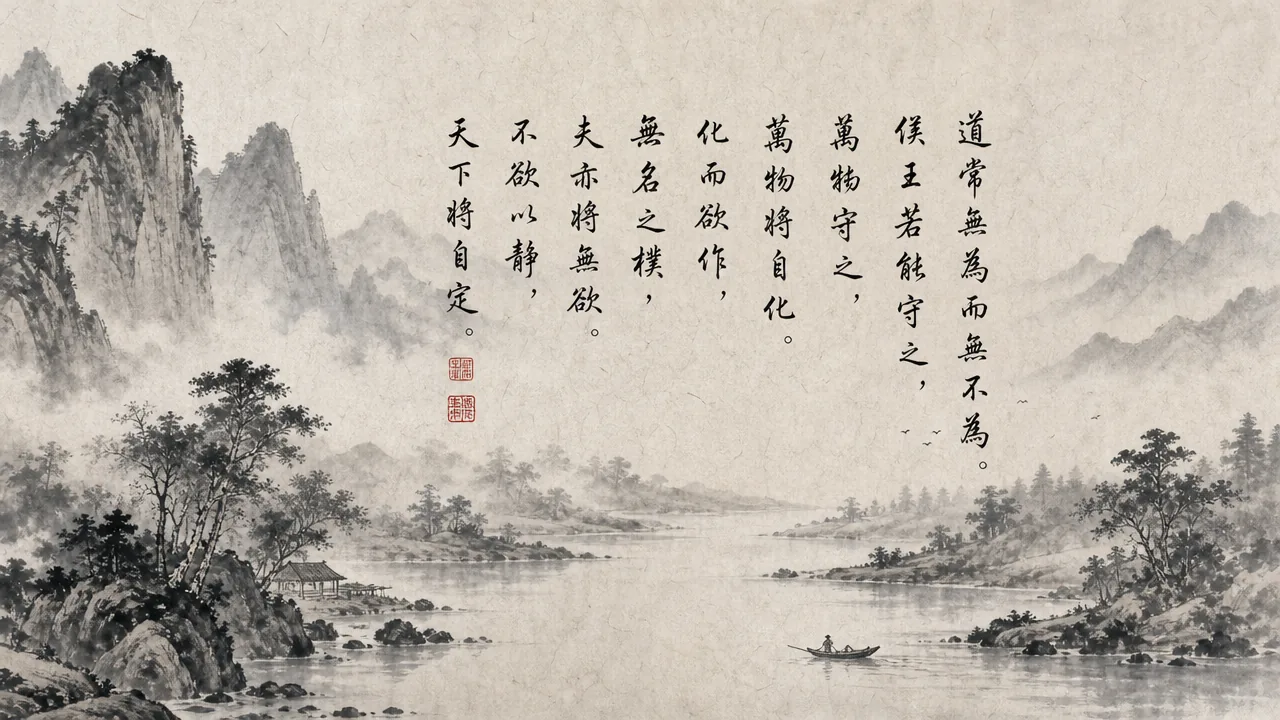
【原文】 道常無爲而無不為。侯王若能守之,萬物將自化。化而欲作,吾將鎮之以無名之樸。無名之樸,夫亦將無欲。不欲以靜,天下將自定。
核心要义解析 (Philosophical Insights)
- 道义发微:本章通过“爲政章第三十七”阐发了《道德经》的核心精髓。从“有”与“无”、“动”与“静”的辩证转化中,提醒我们在日用常行中摒弃过度的功利执念,回归纯粹本真的生命状态。
- 现代启示:当外界喧嚣与评判标准不断施加压力时,保持内心的虚静与不争,反而是最强大的定力与智慧。
Follow the sequential development of the text in Laozi’s next philosophical movement in On True and False Virtue: High Virtue Does Not Cling to Form.
Deepen your understanding of these principles in our reflection on Why Your Labels Are Labeling You: Laozi’s Warning for the Measured Life.






