
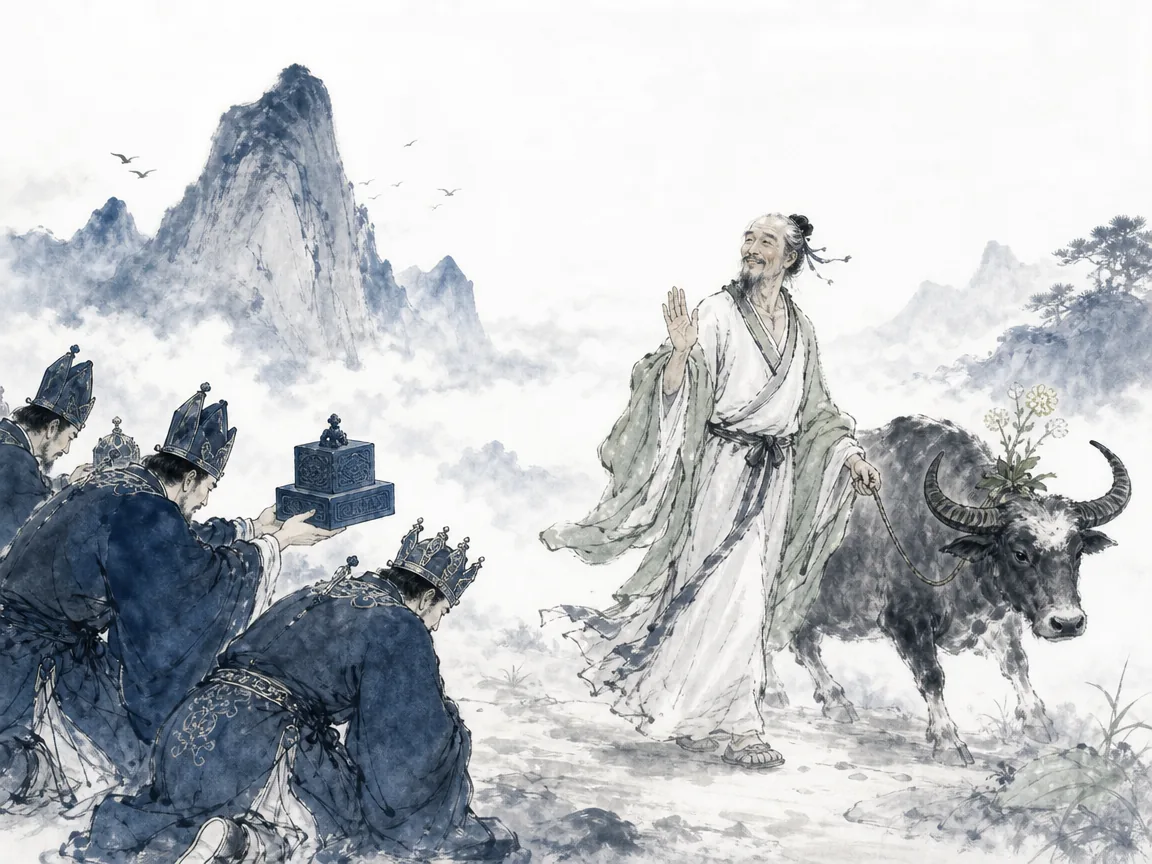
We spend most of our lives learning how to get things — a better job, more money, a higher title, the right relationships, the kind of life that looks complete from the outside. And yet, somewhere along the way, many of us notice a quiet displacement. We have more, but something inside us feels thinner. We are more visible, but we have become harder to recognize — even to ourselves.
This is not a new observation. Over two thousand years ago, the author or authors of the Zhuangzi explored it in a chapter called Yang Wang (《让王》, "Letting Go of Kingship"). Rather than asking how to acquire power, status, or security, the chapter opens with a striking question: what happens to you when you get what everyone wants? The answer, as the text suggests, may not be what you expect [1]—a foundational perspective explored in Zhuangzi Chapter 28 Meaning.
In Yang Wang, figures like Xu You and Shan Juan refuse the throne — not out of arrogance, but because they sense that receiving the world might cost them themselves. The chapter does not simply praise rejection. It asks something deeper and more unsettling: are you choosing your life, or is your life slowly being chosen for you?
Zhuangzi Chapter 28 Meaning: The Trap of the Modern Crown
"Kingship" in the Zhuangzi was the ultimate symbol of worldly success. It represented power, resources, reputation, social approval, and the kind of security that most people spend their lives chasing. In our own era, no one hands us a literal throne. But we still encounter crowns — they just wear different names.
A promotion that consumes everything you are. A lifestyle that looks perfect but drains you quietly. A career path that everyone praises but that slowly replaces your natural rhythm. A relationship that provides comfort but asks you to fold yourself smaller. A home, a title, a following, a bank balance — each can function as a modern throne, offering the promise that once you have it, you will finally feel settled.
The Yang Wang chapter describes exactly this dynamic. It records how Yao offered the world to Xu You, who refused it, and how Shun later offered it to Shan Juan, who likewise declined [1]. Their refusals were not performances of humility. They were clear-eyed assessments of cost. As the chapter puts it: "The world is the weightiest of things, yet he would not let it harm his life — how much less anything else!" [1]. Another passage states plainly: "So the world is the greatest of vessels, yet he would not trade his life for it" [1].
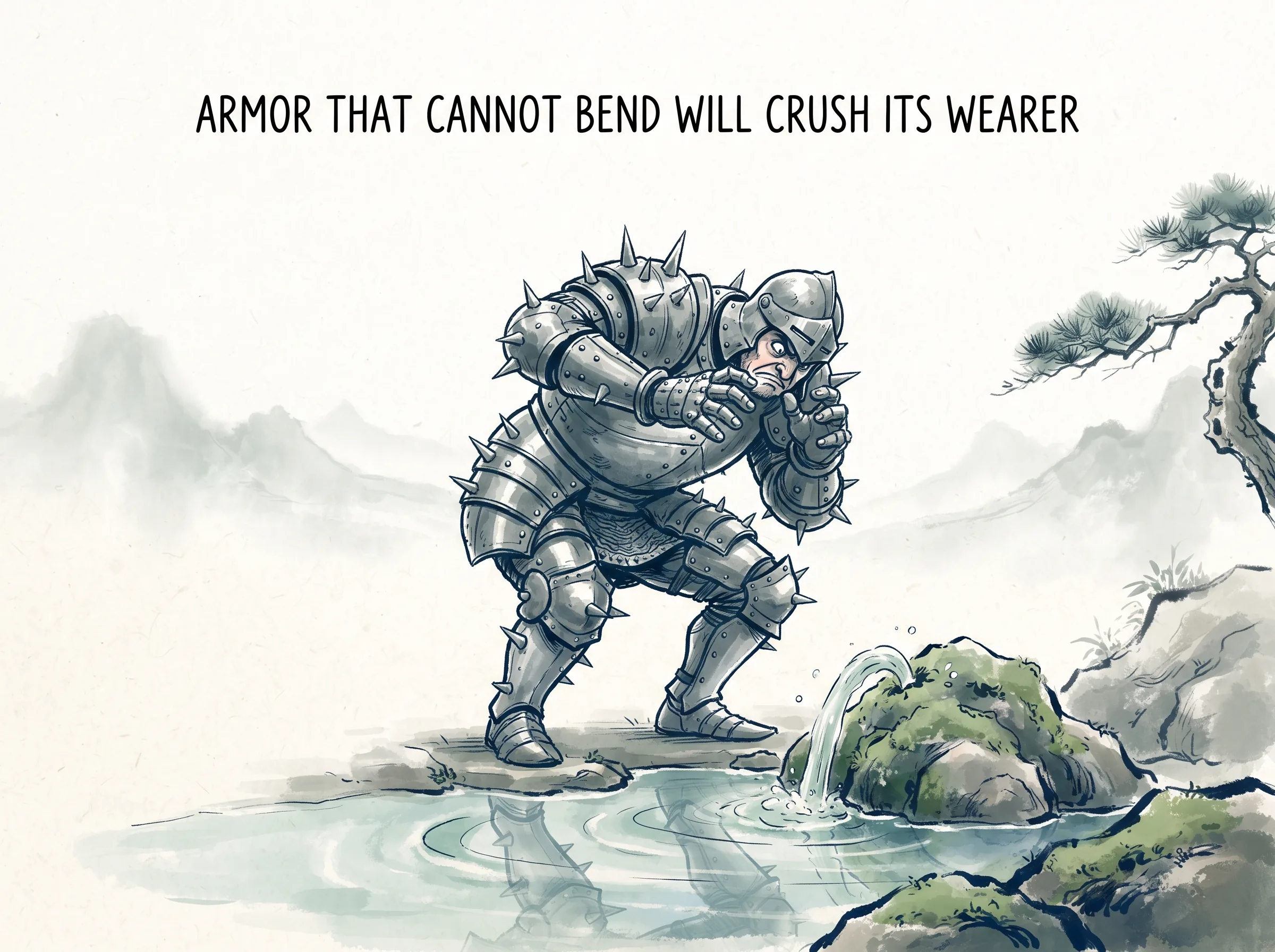
The insight here is not anti-success. It is pro-clarity. The chapter asks you to notice what any ambition costs — not just financially or temporally, but existentially. Every crown has a tax. The question is whether you know what you are paying with.
Continue with the deeper interpretation and practical application.
ChiDestiny members get access to the full analysis, modern applications, and the growing Chinese Wisdom Library.
FAQ
Does Yang Wang mean we should reject all ambition and success? No. The chapter does not reject worldly engagement outright. It questions the hierarchy of values that places position, wealth, and recognition above life itself. A person can hold a job, build a career, and contribute to society without surrendering their inner center. The concern is not success but self-loss disguised as success.
Is the "washing ears" story really from the Zhuangzi? The "washing ears" anecdote about Xu You appears in later tradition, specifically in the Qincao (《琴操》) attributed to the Eastern Han writer Cai Yong, not in the received text of the Zhuangzi itself [2]. The Zhuangzi chapter Yang Wang does record Xu You refusing the throne [1], but the ear-washing detail belongs to a separate textual tradition. Both versions, however, point toward the same insight: certain ideas can enter the mind and quietly distort perception.
Does this mean I should quit my job or leave my relationships? Not necessarily. The Yang Wang chapter is not prescribing specific life decisions. It is asking you to examine the value hierarchy underneath them. The question is not whether to stay or leave but whether your current arrangements preserve your capacity to be fully yourself. Some changes are structural. Others are Attitudinal. Both are valid.
How is this different from modern self-help advice about boundaries? Modern boundary advice often focuses on protection — saying no to what drains you. The Yang Wang perspective goes further by asking what is fundamentally worth protecting and why. Boundaries are practical; value hierarchy is philosophical. You can have strong boundaries and still be driven by installed desires. The chapter invites you to examine the source of those desires, not just manage their consequences.
Summary
What does it mean to truly 'have' something? The Zhuangzi suggests that having is not the same as being possessed. A crown, a career, a reputation, a lifestyle — each can expand your outward shell while hollowing out your core. The danger is rarely a single seductive offer. It is usually a thousand small suggestions about what you should want, repeated until they sound like your own voice.
The Yang Wang chapter does not ask you to abandon the world. It asks you to reclaim the center. To notice whether responsibility preserves you or erases you. To recognize that refusal, when it comes from clarity rather than fear, is one of the strongest expressions of a life that belongs to itself.
The deepest freedom is not holding the world in your hand. It is letting the world stand before you and still not letting it take you.
What to Do Next
Consider keeping a small notebook or digital note for one week. Each evening, write down one decision you made that felt genuinely yours and one that felt like a response to external pressure. Do not judge them. Just notice the pattern. Over time, the distinction between your own rhythm and the rhythms installed on you becomes clearer.
You might also try a simple exercise: identify one thing you are pursuing right now and ask yourself what you would lose if you achieved it completely. The answer may not send you running. But it may help you walk with your eyes open, reflecting the enduring wisdom of Zhuangzi Chapter 28 Meaning.
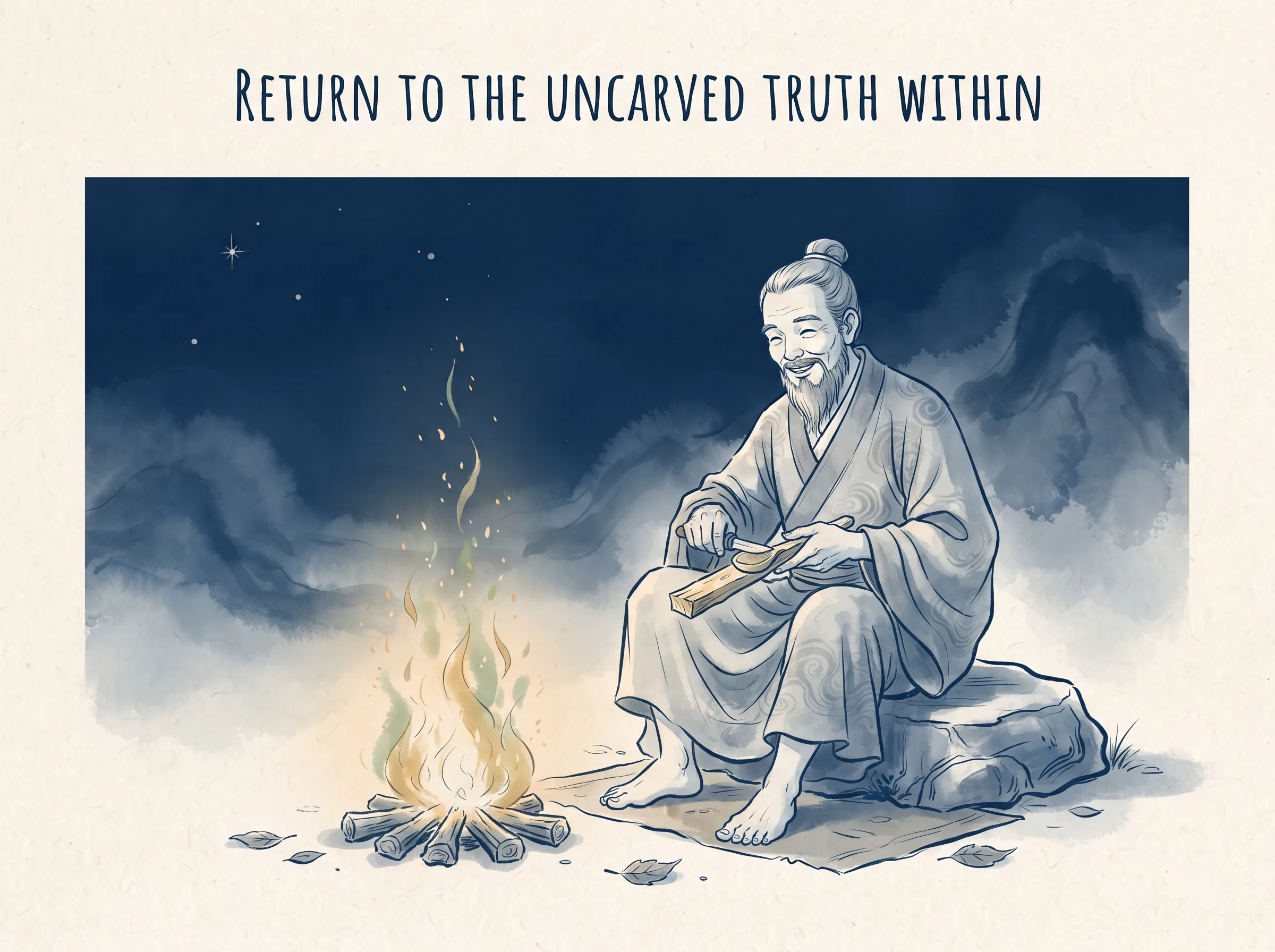
To explore these themes from another angle, read our related reflection on Why Are We Exhausting Ourselves Performing Correctness? Zhuangzi’s Answer.
For a deeper comparative examination of these ideas, explore our related study on Why Do You Keep Fighting Battles That Don’t Matter? A Zhuangzi Guide to Stepping Back from Life’s Snail-Horn Wars.
Sources & Further Reading
[1] Chapter 28 — Yielding the Throne — Zhuangzi — Forage
[2] Qin Tunes, Volume 2 (琴操卷下) — Shidian Guji






